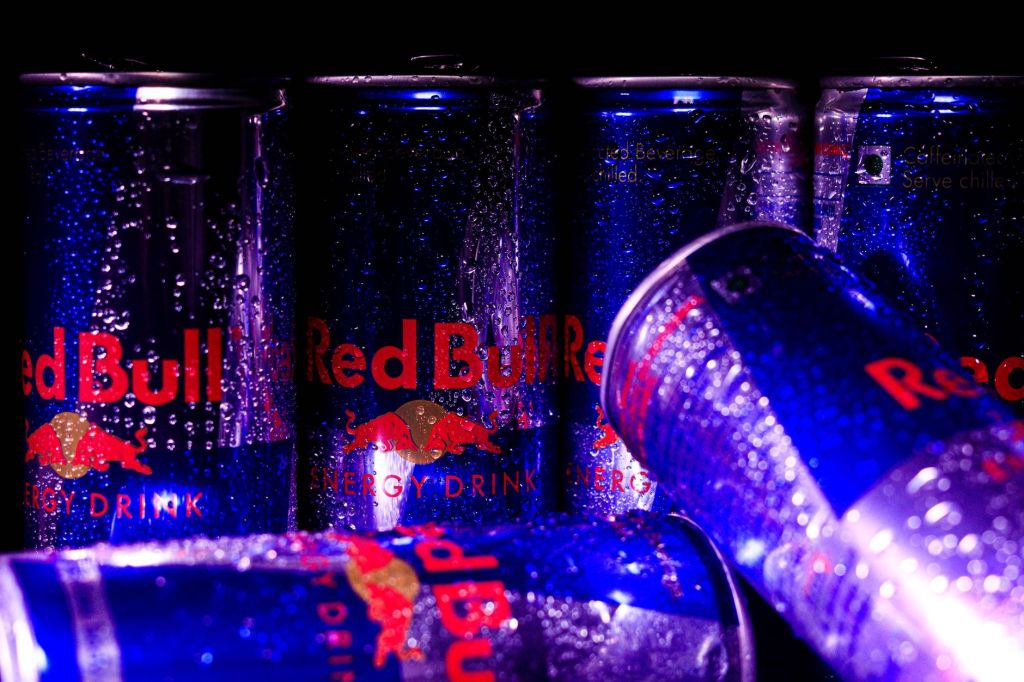
Red Bull, established in 1987, offers a wide variety of carbonated energy drinks. They offer a multitude of flavors, seasonal options, and sugar-free alternatives. Recently, I purchased an Arctic Berry Red Bull on my way to work. This is a brand I am very familiar with; therefore, I will identify its market segments and target audiences.
Market Segmentation
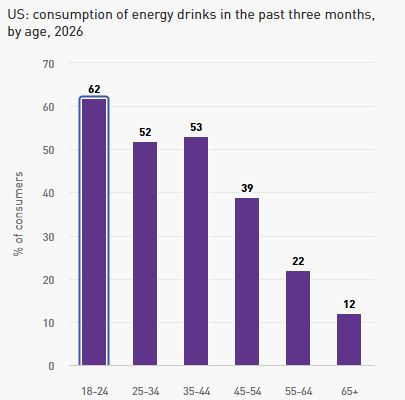
There are many ways to segment a market, including geographic, demographic, psychographic, behavioral, and benefits-sought segments (Ladd, 2020). Geographically, Red Bull caters to a multitude of different regions and cultures. The company engages in geolocational marketing and product localization, ensuring that its offerings align with regional tastes and preferences. The only demographic category that Red Bull segments is age. Consumers aged 18-44 are the primary consumers of Red Bull and other energy drinks (Mills, 2026). Aside from age, Red Bull does not lean heavily into demographic segmentation. Where Red Bull does lean is in psychographic and behavioral segmentation. Psychographically, consumers are often in middle- to high-income groups and can spend impulsively. The company caters to impulsive spenders through distribution channels such as convenience stores and retail partnerships. The target market is athletic or high-performing and often values productivity and adventure. The benefits consumers seek include enhanced performance, energy boosts, and coffee alternatives. These segments align heavily with Red Bull’s marketing campaign, especially its slogan. “Red Bull Gives You Wings”, tied in with the advertisements displaying intense sports and on-the-go lifestyles, directly markets to these groups. Specific segments could include students and employees needing an energy boost, athletes, and explorers.
Key Points when IMPLEMENTING segmentation strategies
- Do not rely only on demographic, geographic, or psychographic segmentation. Behavioral segmentation may be more beneficial and provide greater insight into consumers (Ladd, 2020). Behavioral segmentation can inform a company how consumers will use the product and why. This provides insights into which features to prioritize in marketing, how to improve a product, where to place it, and how to add value.
- Continue to monitor market trends and adapt with your consumers. Market trends are highly volatile, and it is almost impossible to predict how long they will persist. Segmentation strategies should be updated in response to shifting market trends and consumer behaviors. For example, Red Bull will need to shift its marketing strategy to keep up with the aging demographics. Generation Z is Red Bull’s primary age segment, but their lifestyles and behaviors are shifting with age.
- Tailor the segmentation and marketing strategies to each segment. This will involve personalization to fit each segment’s characteristics, behaviors, and needs. A strategy that is effective for one segment may not be effective for another.
- Track the performance and effectiveness of the segmentation strategy. This includes monitoring sales, customer feedback, and other key metrics. If a segmentation strategy is falling short, key metrics can inform the company, allowing the strategy to be adjusted.
Overall, it is important to remember that segmentation strategies are not static. Eventually, strategies must change to keep up with shifting trends, or they may need to be changed because they are not achieving the desired results.
New Market Segment
A new market segment that is becoming prevalent in the food and beverage industry comprises health-conscious, clean-label-seeking consumers. More consumers are seeking better-for-you ingredients that are more natural (Mills, 2026). Personally, I am one of the consumers who has sought healthier alternatives when purchasing energy drinks. This would be a strong market to explore as more brands make the shift toward healthier ingredients.
The segmentation strategy for this new market would prioritize consumers who value natural caffeine, low sugar, and healthier, clean-label beverages. Red Bull is slowly developing products that meet this criterion, including its monk fruit extract energy drink. However, Red Bull could produce a new line of beverages that use natural ingredients. Similar to existing Red Bull products, the general target audience for healthier alternatives is Generation Z, athletes, and high-performing individuals. With this in mind, the new product should be positioned as natural, cleaner energy for sports and energy boosts. Distribution among health retailers would increase reach to health-conscious consumers.
References
Ladd, D., Ed.D., MBA. (2020, August 20). Marketing: Customer Segmentation. LinkedIn Learning. https://www.linkedin.com/learning/marketing-customer-segmentation/opportunities-to-reach-new-markets?autoSkip=true&resume=false&u=2106393
Mills, J. (2026, April 13). Energy Drinks- US – 2026. Mintel Academic. https://clients-mintel-com.eu1.proxy.openathens.net/report/energy-drinks-us-2026?fromSearch=%3Ffreetext%3Denergy%2Bdrink%26resultPosition%3D1
 MKT Consumer Behavior
Leave a comment