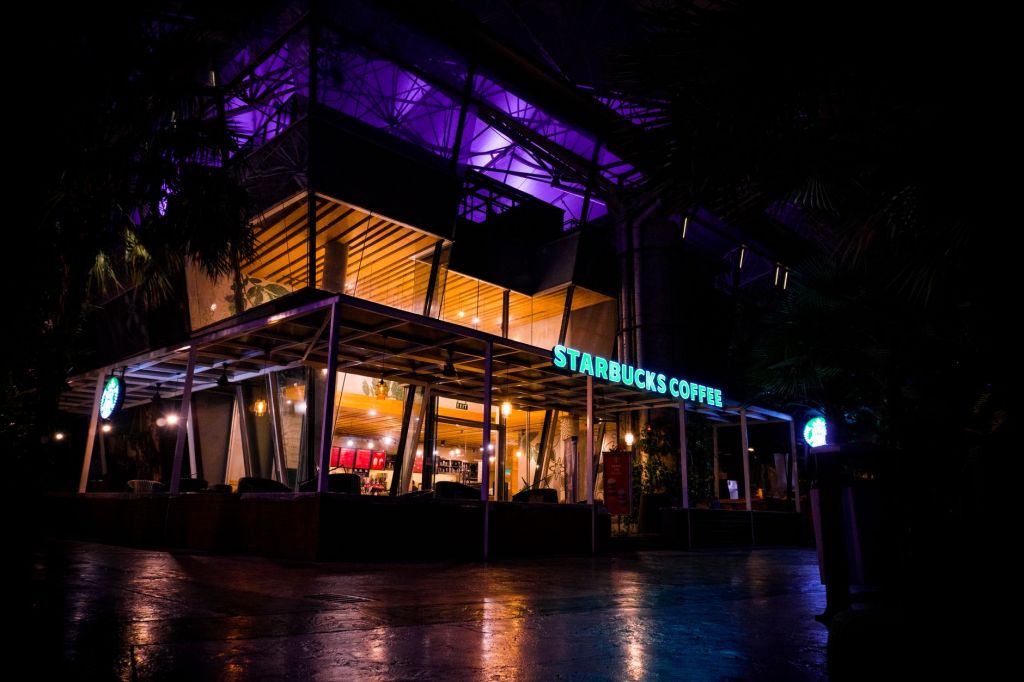
Starbucks, established in April of 1971 in Seattle, Washington, is famously known for handcrafted coffee beverages. The company has introduced a wide variety of foods and beverages throughout its history. Popular menu options include espresso beverages, frappuccinos, energy refreshers, pastries, and more. Starbucks also offers pre-packaged, shelf-stable products that are sold through an extensive network of retail partnerships. Geographically, Starbucks has 40,990 stores worldwide, with 22,679 in the United States and 18,311 internationally (Statista, 2025). Starbucks employs a multi-domestic marketing strategy, tailoring its offerings and promotions to the preferences and customs of each international market (The Strategy Institute, 2024).
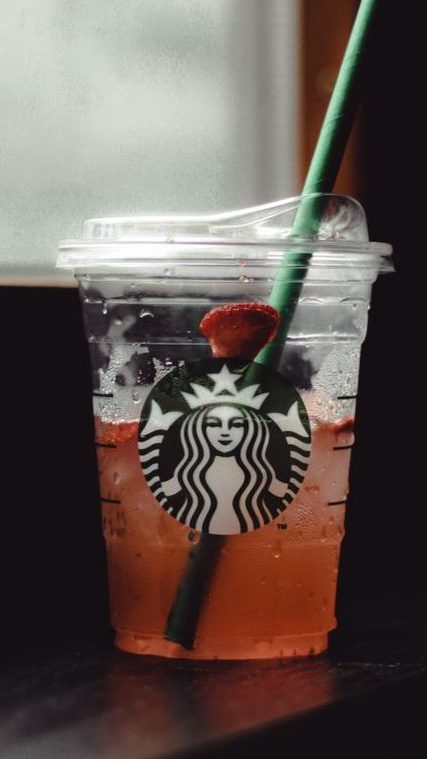
The company category that will be further analyzed for consumer behavior is Starbucks energy refreshers and energy drinks. Starbucks introduced its refresher product line in 2012 and revamped it in April 2026 to allow for customizable energy and caffeine levels (Starbucks, 2026). The new line of refreshers is called energy refreshers. Starbucks offers the energy refreshers canned or handcrafted; however, the canned option is not customizable. The company also expanded its energy drink line to include canned Starbucks Iced Energy alongside the canned Refresher Revitalizing Energy drink. Permanent flavor options include Strawberry Acai and Mango Dragonfruit, with seasonal and pre-packaged energy drink flavor varieties.
Energy drinks and beverages are a steadily growing market, forecast to reach $38.6 billion in retail sales by 2030 (Mills, 2026). It is wise for Starbucks to expand its energy beverage category due to projected market growth. The general consumers of energy drinks are Generation Z and Millennials. Based on a Mintel survey, 57% of Generation Z and 52% of Millennials consume energy drinks (Mills, 2026). Energy drinks are also in direct competition with coffee beverages, as Generation Z and Millennials use them as a coffee replacement. Overall, Starbucks attracts a wide range of consumers across all age groups, genders, and income levels. What makes all Starbucks consumers the same is psychographic. The target Starbucks consumer often values quick service, premium handcrafted beverages, convenience, and good customer service. Because of Starbucks’ reliance on its app and Star Rewards program, the target consumer is comfortable using technology. Overall, the target audience for Starbucks energy beverages is younger demographics who value convenience, customization, premium beverages, quick service, and technology.
As previously mentioned, the energy beverage market is steadily growing, which means many competitors are following in Starbucks’ steps. Specifically, Dunkin Donuts, McDonald’s, and Panera Bread have launched lines of handcrafted energy-refresher beverages or related options. These options also mimic the same convenience and quick service that give Starbucks a competitive advantage. Starbucks will have to leverage its strong market position and consumer loyalty to remain competitive. Aside from handcrafted refreshers, Starbucks has even more competition in the canned energy drink market. Altogether, established companies such as Red Bull, Monster, and Celsius account for 86.8% of the canned energy market (Mills, 2026).
References
Mills, J. (2026, April 13). Energy Drinks – US – 2026. Mintel Academic. https://clients-mintel-com.eu1.proxy.openathens.net/report/energy-drinks-us-2026
Starbucks. (2026, April 06). Starbucks Introduces New Energy Refreshers Nationwide on Apr. 7. https://about.starbucks.com/stories/2026/starbucks-introduces-new-energy-refreshers-nationwide-on-apr-7/
Statista. (2025, November). Number of Starbucks Stores Worldwide from 2018 to 2025, by Region. https://www.statista.com/statistics/218366/number-of-international-and-us-starbucks-stores/
The Strategy Institute. (2024, September 20). Starbucks International Strategy – A Case Study for Global Success. https://www.thestrategyinstitute.org/insights/starbucks-international-strategy-a-case-study-for-global-success
 MKT Consumer Behavior
Leave a comment